
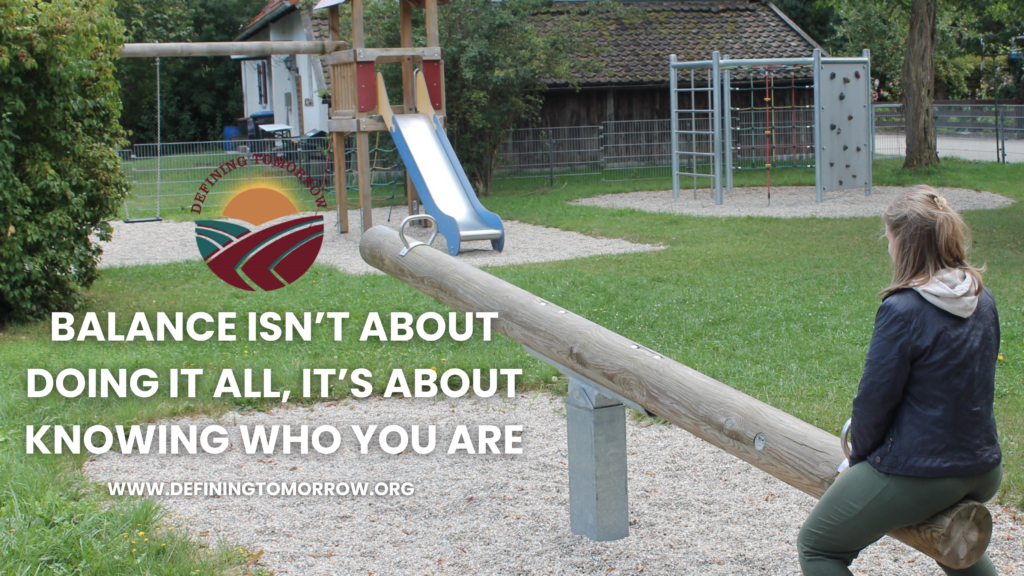
Modern women wear many “hats.” Each hat comes with its own expectations, emotions, and personality. There’s the nurturing daughter, the capable employee, the loyal friend, the romantic partner, the boss, the caregiver, and the independent dreamer. Each role demands energy, and sometimes they all shout at once.
It’s normal to shift between these roles throughout the day, moving from comforting a child to leading a meeting to checking in on a friend. But when these roles compete instead of coexist, something deeper begins to stir: inner conflict.
This imbalance often shows up quietly. Whether through exhaustion, guilt, indecision, or the feeling of being stretched too thin. Processing emotions and finding balance means learning not just what you do, but who you are beneath the roles.
Every woman carries multiple identities. Some are chosen with pride while others are inherited or placed upon her by circumstance. Each role brings out a different part of the self and each carries its own emotions and needs.
Think about the last time you switched from one setting to another. Maybe a work call ended just as a child asked for help, or a partner wanted attention right after a long day of managing employees or clients. That subtle internal shift, the one that makes you take a deep breath before responding, is the weight of multiple roles meeting at once.
Balancing them is part of life, but balance requires awareness. Without it, roles begin to overlap and compete, leaving little room for rest or authenticity.
A scene from the sitcom Seinfeld captures this dynamic in a funny, yet revealing way. In one episode, George panics when his girlfriend wants to meet his friends. He calls it the collision of “Independent George” and “Relationship George.” He worries that if those worlds meet, he’ll lose control of who he is in each one.
It’s a relatable fear. When different roles overlap, such as when the professional meets the personal, or the caretaker meets the romantic, it can feel like parts of the self are colliding.
Most people can manage their roles separately, but when they merge, tension appears. That tension isn’t failure, it’s feedback. It’s the body and mind saying, Something here feels out of alignment.
Everyone wants to lead a healthy, balanced life, but it’s easy to drift off course. Imbalance happens quietly, like when the professional role shows up at home, the parent role shows up at work, or the people-pleaser shows up everywhere.
For many women, one role becomes dominant. The achiever, the caregiver, or the fixer takes over. This role becomes the loudest voice in the room, pushing other parts aside.
A strong professional identity, for example, can be powerful and productive, but when it starts running every area of life, the cost is high. The same focus and drive that make success possible can also lead to exhaustion, guilt, or emotional distance from loved ones.
Imbalance isn’t always dramatic. Sometimes it looks like constant busyness, irritability, or guilt over resting. Other times, it’s the inability to enjoy the moment because the mind is already on the next task.
Learning to notice which role is leading helps you restore balance before burnout sets in.
Inner conflict appears when different roles want different things at the same time.
The caregiver wants to nurture.
The professional wants to achieve.
The partner wants connection.
The self wants rest.
When these needs clash, confusion and guilt surface. You might feel pulled between responsibilities, unsure which voice to honor. The result is emotional tension, feeling anxious, resentful, or numb without knowing why.
Recognizing that these feelings come from role conflict, not personal failure, changes everything. It shifts the narrative from “What’s wrong with me?” to “Which part of me needs attention right now?”
Healing starts with awareness. Begin by taking inventory of all the roles currently being carried and even those from the past that still influence behavior.
Try this reflection exercise:
Each role tells a story. Some are rooted in love and purpose; others formed out of protection or survival. Recognizing both helps clarify which roles are supporting growth, and which are keeping your life out of balance.
Once you’ve identified your key roles, it’s time to look deeper. Using tools like the Emotion Wheel can help reveal the unique emotions, fears, and beliefs attached to each.
Here’s an adapted version of the framework from Yesterday’s Gone: The Study Guide.
| Area Evaluated | Adolescent Role | Professional Role | Girlfriend Role |
| Feelings | Anxiety, shame, insecurity | Stress, determination | Passion, energy |
| Fears or Triggers | Rejection, betrayal | Losing control, being wrong | Humiliation, feeling unimportant |
| Needs and Wants | Acceptance and love | Purpose and respect | Attention and admiration |
| Focus of Attention | Safety and belonging | Control and accomplishment | Validation and connection |
| Distorted Beliefs | “I must do whatever it takes to be loved.” | “I am what I achieve.” | “I must look perfect to be admired.” |
| Positive Traits | Caring, kind, affectionate | Brave, confident, driven | Charismatic, romantic, fun-loving |
| Negative Traits | People-pleasing, insecurity | Impatience, control | Manipulative, attention-seeking |
Looking at this type of chart makes imbalance easier to see. It becomes clear why different parts of life sometimes feel like they’re working against each other. The adolescent role might crave acceptance, while the professional demands achievement, and the partner desires admiration.
Each role carries valid needs, but not all can lead at once.
Balancing multiple identities doesn’t necessarily mean eliminating any of them. It means allowing each role to exist in its rightful space.
Start by asking three grounding questions:
Small shifts make a difference:
Balance isn’t a one-time fix—it’s a continuous conversation between who you are and what each part of your life requires.
Wholeness doesn’t mean playing one role perfectly, it means integrating them all honestly. The goal isn’t to silence parts of yourself, as that is just as detrimental. Instead, the goal is to bring them into harmony.
Imagine every role as a member of an inner team. Each one has strengths, blind spots, and needs. When they communicate instead of compete, life feels more aligned. The professional can learn gentleness from the caregiver, the partner can gain courage from the achiever, and the nurturer can borrow focus from the leader.
This kind of integration reduces guilt and increases peace. You no longer have to be “all things to all people.” You can simply be whole.
Healing happens when each role has a voice but none take over the stage.
Try journaling through these prompts to begin harmonizing the roles you play:
Even five minutes of reflection can create awareness that shifts the way you show up in relationships, at work, and within yourself.
Balancing the many roles of life isn’t about being perfect, but being present. When you recognize which parts of yourself need attention and which need rest, you begin to live more intentionally and peacefully.
If you’re ready to explore this more deeply, book a discovery call to join one of my support groups. Together, we’ll unpack the different roles you play and find ways to bring them into alignment so that each one supports your healing and growth.
Or, if reflection feels like the next gentle step, subscribe to my mailing list for weekly encouragement, tools, and journaling prompts to help you stay centered in who you truly are beneath every role and every hat.
Our support groups are $25 per week or $300 for the full 13-week program when you pay in full.